Why "DM for Price" Is Killing Your Fashion Sales in Kenya (And What Works Better)
"DM for price" slows down fashion sales on Instagram and WhatsApp in Kenya. Learn why buyers abandon carts and discover a simpler checkout process that converts better.
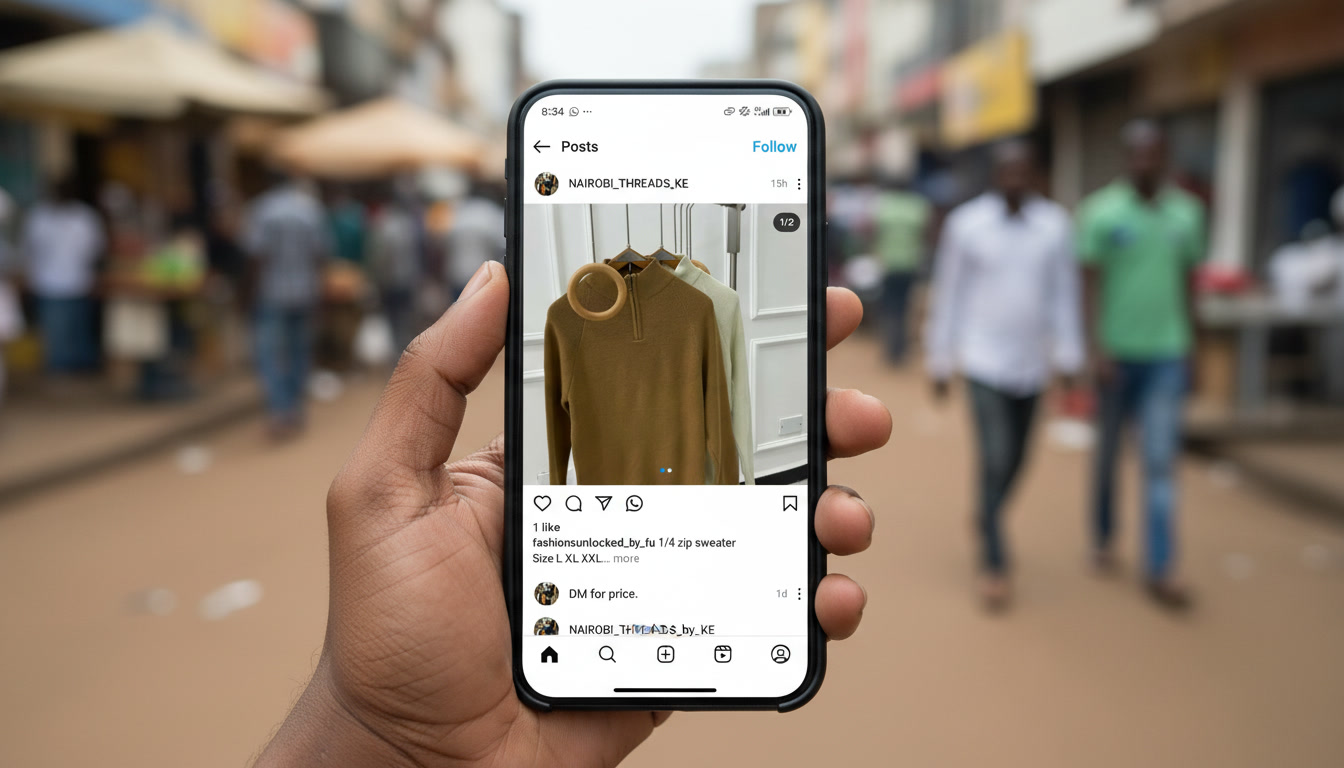
If you're selling fashion on Instagram or WhatsApp in Kenya, you've probably written "DM for price" hundreds of times. It feels normal—post the outfit, wait for messages, send prices, share your M-Pesa number, follow up.
But here's what's actually happening: potential buyers see your post, pause at "DM for price," and keep scrolling. You never know they were interested.
This article breaks down why "DM for price" creates friction in the buying process and what Kenyan fashion sellers are doing instead to sell faster with less manual work.
Why Fashion Sellers Started Using "DM for Price"
Let's be honest—there are real reasons this became standard practice:
- Flexible pricing: Thrift and custom items have different prices
- Avoiding comparisons: You don't want competitors seeing your margins
- Location-based delivery: Prices change based on where buyers are
- It's what everyone does: The Instagram fashion community normalized it
When you're handling 5-10 DMs a week, this setup works fine. The problems show up when interest increases.
What Actually Happens When Buyers Have to DM
From the buyer's perspective, "DM for price" adds an extra step right when they're interested.
Here's the typical buyer journey:
1. Buyer scrolls Instagram, sees a dress they like
2. Checks comments, sees "DM for price"
3. Decision point: Message now or come back later?
4. Most choose "later" and forget
5. Some message but expect instant replies
6. You're offline or handling other DMs
7. Interest cools, buyer moves on
The friction isn't massive—it's just one extra step. But in impulse fashion purchases, every extra step reduces conversion.
The Numbers Don't Lie
Ask any seller doing 20+ DMs daily:
- 60-70% of price inquiries never convert
- Response delays of even 2-3 hours lose sales
- "Niko njaa kidogo" becomes "I'll pass"
- Buyers ask the same questions repeatedly
The Real Cost: Manual Work That Doesn't Scale
Each DM conversation requires:
1. Greeting the customer
2. Confirming the item they want
3. Sharing the price
4. Answering sizing questions
5. Explaining delivery options
6. Sending M-Pesa details
7. Confirming payment screenshots
8. Following up if they don't pay
For one order? Manageable.
For 20 orders during a weekend drop? Exhausting.
Many sellers report spending more time managing DMs than actually packing and shipping orders. The process doesn't fail because demand drops—it fails because it becomes heavy.
Price Visibility and Buyer Trust
There's a common fear: "If I show prices, buyers will think I'm too expensive."
Reality: The opposite happens more often.
How Clear Pricing Helps You Sell
Buyers self-qualify. Someone who can't afford KSh 3,500 scrolls past. Someone who can afford it asks serious questions or buys immediately.
Reduces suspicion. Many Kenyan buyers associate hidden prices with inconsistency. They've been burned before—quoted one price in DMs, then charged differently.
Saves your time. No more DMs from people who were never going to buy at your price point.
For newer sellers especially, transparency builds trust faster than private negotiations.
The WhatsApp and M-Pesa Reality
WhatsApp and M-Pesa aren't going anywhere—nor should they. The issue is how much manual work surrounds them.
Current process:
- Copy M-Pesa number
- Send to buyer
- Wait for payment
- Ask for screenshot
- Check M-Pesa statement
- Match payment to order
- Confirm via WhatsApp
During busy periods:
- Payments get mixed up
- Screenshots don't match orders
- You miss messages
- Buyers pay wrong amounts
- You manually reconcile everything
When you're the payment system, mistakes multiply as volume increases.
What Kenyan Fashion Sellers Are Doing Instead
Some sellers are testing a simpler approach between "DM everything" and "build a full website."
The New Process
On Instagram:
- Post clear prices in captions or first comment
- Link to a simple product catalog
- Let buyers browse and choose
For checkout:
- Buyers see their items and total cost
- Pay via M-Pesa through structured checkout
- Automatic payment confirmation
On WhatsApp:
- Handle delivery coordination
- Answer specific questions
- Provide customer support
The difference? By the time a buyer reaches WhatsApp, they've already paid or are serious about buying. No more "just checking the price" DMs.
Comparing the Two Approaches
"DM for Price" Model:
- Good for: Custom orders, low volume, flexible pricing
- Challenging when: Orders increase, time is limited, multiple products
- Time investment: High (every step is manual)
- Conversion: Lower (friction at every stage)
Visible Pricing + Simple Checkout:
- Good for: Ready-made items, frequent drops, multiple products
- Challenging when: Prices vary significantly by item
- Time investment: Lower (automated checkout and payment)
- Conversion: Higher (reduced friction)
Neither is "wrong"—the better choice depends on your business stage, product type, and available time.
Common Questions About Changing Your Approach
"Will customers still trust me?"
Trust comes from:
- Clear communication
- Consistent delivery
- Professional presentation
- Good customer service
Not from making people DM for basic information.
"Can I still use WhatsApp?"
Absolutely. WhatsApp becomes your support channel instead of your entire sales funnel. You still confirm delivery details, answer questions, and build relationships—without managing every transaction manually.
"What about M-Pesa?"
M-Pesa remains central. The only change is automation—payment requests and confirmations happen automatically instead of through screenshots and manual checking.
"What if I do custom pricing?"
For businesses with standard items (ready-made dresses, thrift bundles, shoes), visible pricing works well. For fully custom work, DM conversations still make sense.
How to Know What's Right for Your Business
Ask yourself:
1. How many DMs do I handle daily? (5-10 = manageable, 20+ = bottleneck)
2. Do most items have standard prices? (Yes = show prices, No = keep DM)
3. Am I losing sales to slow responses? (Yes = automate, No = current system works)
4. Do I want to scale sales? (Yes = reduce manual work, No = stay as is)
If you're running frequent drops with standard items and juggling dozens of conversations, the DM-for-price model probably limits your growth.
What a Simpler Checkout Looks Like
For sellers ready to reduce manual work:
1. Create a product catalog where buyers can browse items and prices
2. Set up structured M-Pesa checkout so payments are automatic
3. Use WhatsApp for support instead of the entire transaction
4. Track orders in one place instead of searching through messages
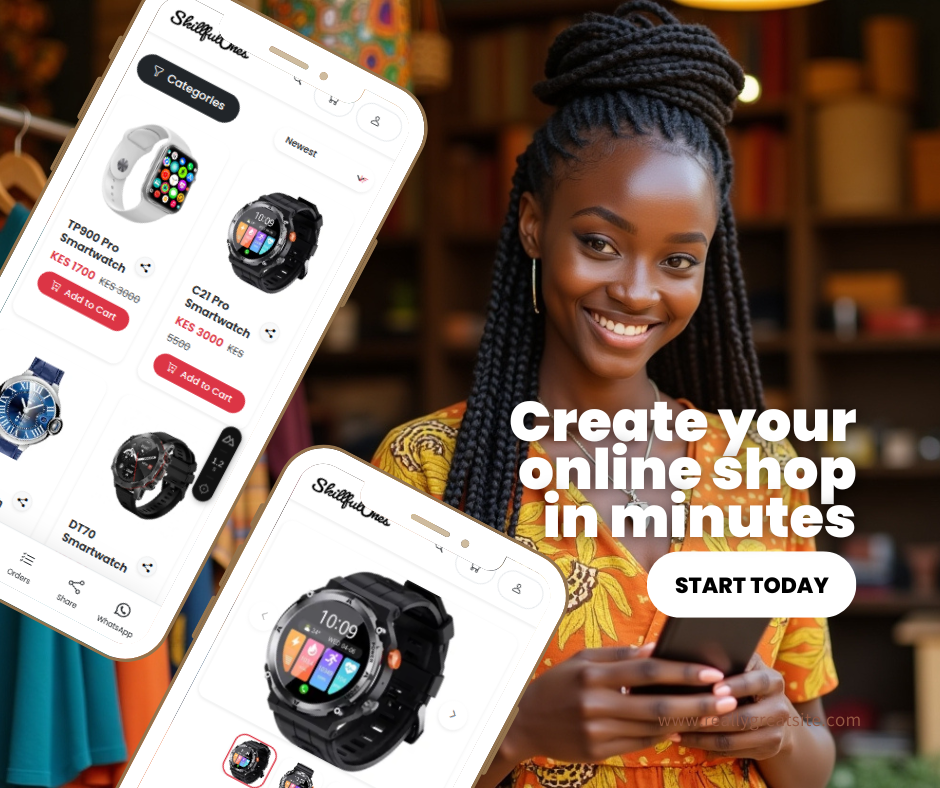
Platforms like NeoMali were built specifically for this—giving Kenyan social sellers a simple shop link they can share on Instagram, WhatsApp, or TikTok.
No complex website building. No expensive monthly fees. Just a clean catalog, automatic M-Pesa integration, and instant payouts to your phone.
The Bottom Line
"DM for price" isn't evil—it's just outdated for many businesses that have outgrown it.
As Kenyan fashion buying moves faster and becomes more informal, small process choices increasingly affect conversion. Buyers expect clarity and speed. Sellers need systems that don't consume all their time.
If you're deciding this week how to structure your next drop, consider: Does your current process match how buyers behave today? And can you realistically manage it?
For sellers ready to try something different, start a free NeoMali trial and see what simpler checkout feels like. No credit card needed.
Ready to Stop Losing Sales to "DM for Price"?
Get your own professional shop link in minutes:
- Clear product catalog your customers can browse
- Automatic M-Pesa checkout (no more screenshot chaos)
- Instant payouts directly to your phone
- WhatsApp for support, not your entire sales funnel
Try NeoMali Free • No credit card required • Setup in 5 minutes