How to Start an Online Business in Kenya: A Practical Guide for 2026
Are you tired of tracking orders in WhatsApp notebooks and losing customers who are "waiting for a price"? Starting an online business in Kenya doesn't require a huge office or a tech degree. Whether you’re selling thrifted "camera" clothes, organic skincare, or the latest tech accessories, 2026 is the year to professionalize. This guide breaks down the 7 essential steps to move from a simple side hustle to a fully automated online store that accepts M-Pesa and tracks your stock while you sleep.
You know the routine. You post a stunning photo of a new dress or a sleek pair of earbuds on your WhatsApp Status. Your phone starts buzzing immediately.
"How much?"
"Wapi location?"
"Can I pay on delivery?"
By the time you've replied to ten different people, half of them have ghosted you, and the other half are haggling over a price you already stated. You’re manually checking M-Pesa messages to see who actually sent the deposit, and your notebook is a mess of crossed-out orders and "Rider" phone numbers.
If this sounds like your daily "hustle," you aren’t alone. Thousands of Kenyan entrepreneurs are stuck in the "informal loop." You have a great product and a willing market, but your process is slowing you down.
In this guide, we’ll show you exactly how to start an online business in Kenya the right way; turning that frantic WhatsApp hustle into a streamlined, professional brand that works for you, even when you’re busy with your 9-5.
Quick Answer: How to start an online business in Kenya?
To start an online business in Kenya, identify a high-demand physical product, register a business name (optional but recommended), and set up a mobile-friendly store that integrates M-Pesa. Focus on "social selling" via Instagram and WhatsApp to drive traffic to your website, and partner with reliable local couriers for last-mile delivery.
Why Now is the Right Time for Online Business in Kenya
The Kenyan digital landscape in 2026 has shifted. We aren't just "browsing" anymore; we are "buying." With mobile internet penetration at an all-time high and the Central Bank of Kenya (CBK) reporting record-breaking M-Pesa transaction volumes, the trust barrier has finally broken.
Kenyans now prefer the convenience of an automated checkout over the back-and-forth of DMs. If a customer can see your stock levels, choose their size, and pay via an STK push without leaving your site, they are 70% more likely to complete the purchase. The "macho kwa macho" (face-to-face) requirement for trust is being replaced by professional web presence and transparent reviews.
7 Steps to Start Your Online Business in Kenya
1. Choose What to Sell (Physical Products)
Don't try to be a "mini-Jumia." Focus on a niche. In the Kenyan market, certain categories consistently outperform others:
- Fashion & Beauty: Thrift (Mtumba) Grade A, local designer wear, and organic skincare.
- Home & Office: Organizers, smart home gadgets, and aesthetic decor for "bedsitter" transformations.
- Electronics: Quality earbuds, power banks, and refurbished iPhones.
Pro Tip: Use Google Trends or check "Kenyans on Twitter/X" to see what's trending. If people are complaining about a lack of quality X, that’s your gap.
2. Understand Your Costs & Pricing
Running an online shop is cheaper than a stall in Dubois or Nairobi CBD, but it’s not free. Factor in:
- Wholesale Price: What you pay the supplier.
- Packaging: Branding matters. A branded poly mailer or a simple "Thank You" note goes a long way.
- M-Pesa Fees: Budget for the small percentage lost during withdrawals or Till transitions.
- Marketing: Data bundles and small "Boost" budgets for IG/FB.
Pricing Formula: $(Wholesale Cost + Packaging + Marketing) x 1.3 = Retail Price$. The "1.3" ensures a 30% margin to keep your business healthy.
3. Set Up Your Online Shop
This is the "make or break" step. You can stay on WhatsApp, but you'll stay small. Or, you can build a store.
While global platforms exist, they often demand credit cards and charge in Dollars, which hurts when the KES fluctuates.
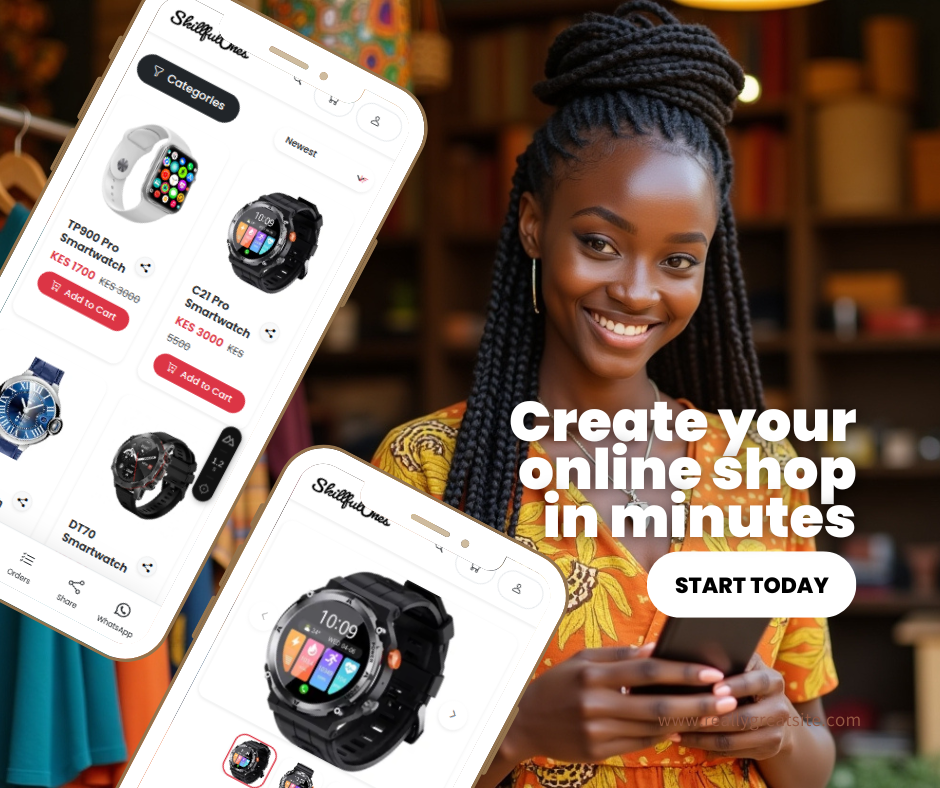
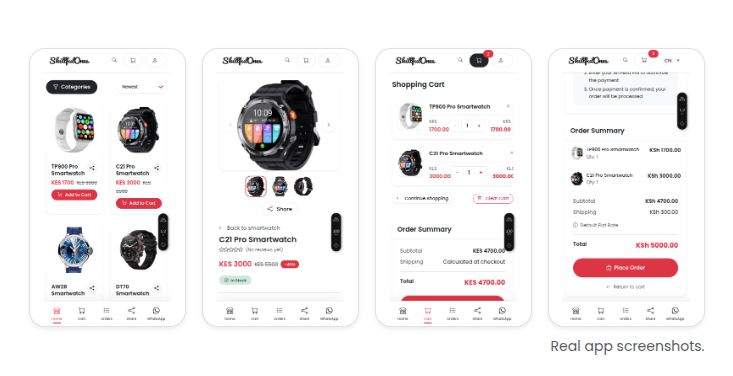
Neomali was built specifically for this. It allows you to create a professional link for your bio in minutes. Instead of saying "DM for price," you say "Link in bio to order."
4. Set Up M-Pesa Payments
In Kenya, cash is king, but M-Pesa is the emperor. Your store must have an integrated M-Pesa checkout.
- Till Number (Buy Goods): Best for small shops. It looks professional and keeps your personal cash separate from business cash.
- STK Push: This is the "magic" where the customer gets a popup on their phone asking for their PIN.
Neomali integrates this by default, so you don’t have to be a coder to get it working.
5. Create Your Product Listings
You don’t need a DSLR. Your smartphone is enough.
- Lighting: Take photos near a window in the morning (Natural light is best).
- Description: Don't just list features. Tell them how it helps. Instead of "Blue dress, size M," try "Perfect weekend brunch dress, breathable fabric, fits UK 10-12."
- Transparency: Clearly state the price. Hiding the price is the fastest way to lose a Gen Z customer in Kenya.
6. Drive Your First Sales
Start where your customers are.
- WhatsApp Status: Your "warmest" leads are your contacts. Post your Neomali link there daily.
- Instagram Reels: Show behind the scenes; packaging an order, or "Day in the life of a Nairobi founder."
- TikTok: Great for viral reach. Show your products in action.
7. Manage Orders & Customer Service
The "last mile" is where Kenyan businesses fail or fly.
- The Rider Network: Build a relationship with 2 to 3 reliable boda-boda riders,or use or pickup mtaani app, or use services like G4S/Wells Fargo for upcountry deliveries.
- Communication: Send a "Thank you" message once the item is delivered. A happy customer in a WhatsApp group is better than 100 paid ads.
Common Mistakes to Avoid
- Ignoring the "Delivery Fee" conversation: Always be clear if delivery is free or extra. Surprising a customer with a 300 KES fee at checkout is a conversion killer.
- Slow Responses: Even with a website, people will still text you. If you take 5 hours to reply, they’ve already bought from someone else.
- No Stock Management: Selling something that is "Out of Stock" is the quickest way to ruin your reputation. Use a platform that updates stock automatically.
FAQs About Starting Online Business in Kenya
How much money do I need to start?
You can start with as little as KES 500 per month or KES 5,000 annualy for a small batch of stock and a Neomali subscription. You don't need a physical shop to begin.
Do I need a business license?
To start, you can operate as a sole proprietor. As you grow and want a formal Paybill or a government contract, you should register via eCitizen, which costs about 1,000 KES for a business name.
Which is better: Instagram or my own shop?
Both! Use Instagram for "discovery" (finding new customers) and your Neomali shop for "conversion" (taking the money and managing the order).
How do I handle deliveries in Kenya?
For Nairobi,Naruku or Mombasa use independent riders or pickup mtaani. For upcountry (Mombasa, Kisumu, Nakuru), use shuttle "offices" (like 2NK or Easy Coach) or established couriers for home delivery.
Conclusion: Stop Hustling, Start Building
Starting an online business in Kenya in 2026 is no longer about having the most followers; it's about having the best system. You can keep manually replying to "How much?" or you can set up a professional store that earns you money while you're at your day job.
Are you ready to level up? Start your Neomali free trial today and build the brand you’ve always dreamed of.